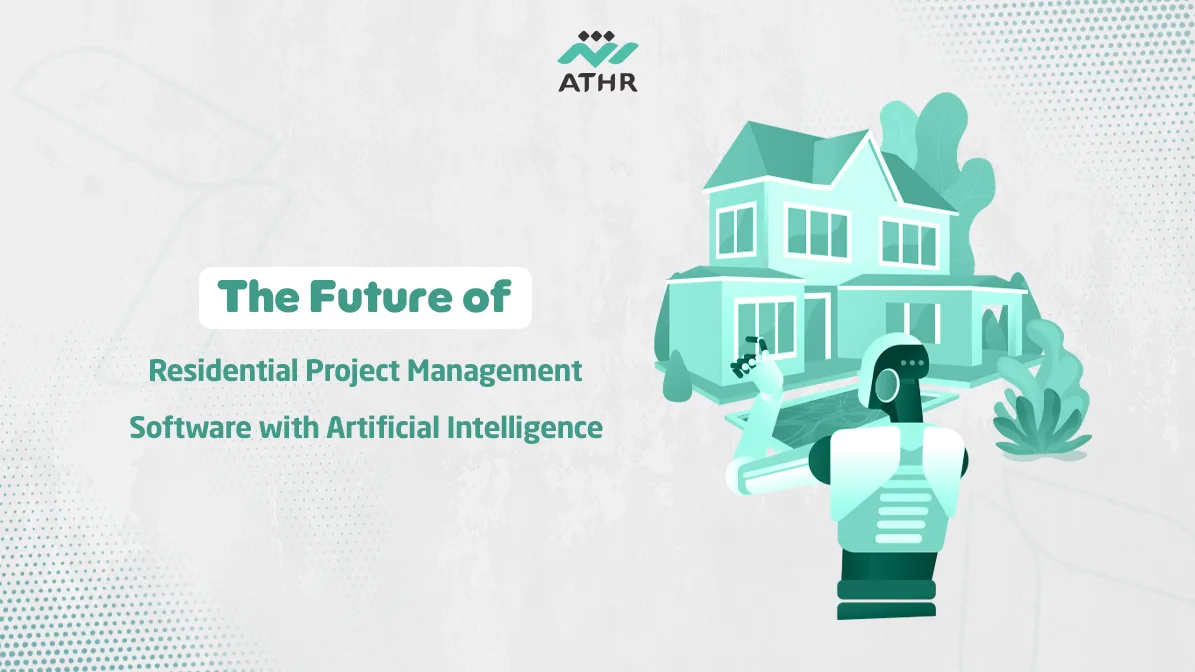
Artificial intelligence (AI) has become an indispensable part of many industries, especially in residential project management software. By utilizing this advanced technology, efficiency can be improved, execution can be sped up, and costs can be significantly reduced.
we will explore how AI can be the key to the success of your residential projects, making them smarter and more efficient. If you’re aiming for the best outcomes in your projects, it’s time to leverage these innovative solutions.
Start your residential project with success now! 💬 Contact us for personalized advice.
Advantages of Residential Project Management Software Using Artificial Intelligence
AI-powered residential project management applications offer a range of advantages that help improve organization, monitoring, and control over all aspects of a project. Some of the key benefits include:
Predicting Problems and Challenges Before They Occur
One of the main advantages of AI in residential project management software is its ability to predict potential problems before they happen. AI analyzes historical project data to identify potential challenges in the current project, which helps avoid issues before they arise.
For example:
- Predicting Delays: The system can forecast potential delays based on factors such as weather, material availability, or human resource issues.
- Budget Management: The software can detect budget overruns before they become significant problems, helping managers make early decisions to reduce costs.
💡 With this feature, the project team can address challenges before they happen, which increases the chances of success and reduces risks.
Improving Efficiency and Time Using Smart Systems
With AI, processes have become more consistent and accurate, contributing to improved efficiency and time-saving in residential construction projects. Smart systems can handle many tasks that previously took a long time manually, such as:
- Task Management: AI can dynamically assign tasks among the work teams according to project priorities.
- Resource Scheduling: AI helps distribute human resources and materials efficiently, ensuring that no resources are wasted or underutilized.
These systems are more than just tools; they are vital partners in managing residential construction projects, as they help accelerate project execution and achieve objectives more efficiently.
🏡 Everything you need to develop an application for managing residential complexes with Athr is here.
What Are the Basic Steps for Implementing AI in Residential Project Management Software?
Implementing Artificial Intelligence in residential project management software requires following a series of basic steps to ensure efficiency improvements and informed decision-making:
- Project Needs Analysis:
The first step in applying AI is analyzing the project’s needs. Tasks and processes, such as scheduling, resource allocation, and budgeting (e.g., JIRA), should be identified for AI enhancement. This analysis helps select the smart tools that will improve each step. - Data Collection and Analysis:
AI heavily relies on data. Therefore, it’s essential to collect accurate, updated data about all aspects of the project, from materials used to schedules and costs. This data can be used to train AI systems to predict future challenges and offer practical solutions. - Developing Integrated AI Systems:
Once the needs are identified and the data is collected, the next step is developing intelligent systems. By collaborating with specialized programming companies like “Athr“, you can create AI systems capable of interacting with the project in real-time, predicting future challenges, and suggesting AI-based solutions.
Stages of Integrating AI in Residential Project Management Software
- Initial System Assessment:
In this phase, the current residential project management software is reviewed to determine how AI can enhance it. The focus is on aspects that can benefit from AI integration, such as improving scheduling, predicting delays, and quality tracking. - Training AI Systems:
AI needs continuous training using available data. In this phase, the system is trained on data from previous projects, which helps it predict problems and find appropriate solutions. - Integrating AI into Daily Operations:
After training, the AI system is integrated with the residential project management system. Now, this smart system can provide real-time recommendations, track work progress, and automatically enhance project decisions, such as labor allocation or adjusting delivery schedules based on the current situation.
Best Practices for Developing Smart Software Using Artificial Intelligence
- Designing a Smart User Interface:
It’s essential for the user interface to be user-friendly and clear. It should allow users to interact with the system effectively, such as receiving alerts and receiving real-time guidance. These alerts may include notifications about scheduling issues or budget overruns. - Using AI to Analyze Real-Time Data:
This helps detect problems at early stages, enabling better and faster decision-making. - Predicting Crises and Solving Problems Before They Happen:
One of the prominent applications of AI is its ability to predict problems before they occur. By analyzing data and past trends, AI can identify delays or resource allocation issues and provide solutions before they become real problems. - Enhancing Collaboration Between Teams:
AI helps improve collaboration between different project teams, such as construction and management teams. By providing a unified platform that allows everyone to access the same information in real-time, communication and coordination between individuals are greatly enhanced.
Do You Have Any Questions? We Are Ready to Answer! 📩 Contact us now for support.
How Can Smart Residential Project Management Software Enhance Team Collaboration?
Smart residential project management software facilitates collaboration between teams by providing a unified platform where everyone can access the same information in real-time. This enhances communication between construction and management teams, helping to coordinate work more efficiently and quickly.
Enhancing Coordination Among Teams Using Artificial Intelligence
Good coordination among teams is crucial for the success of any residential project. By using AI in residential project management software, teams can work together more smoothly. AI helps improve coordination among construction, design, and management teams by:
- Real-Time Work Progress Monitoring:
AI can track work progress and identify delayed tasks, allowing teams to coordinate and address any delays immediately. - Smart Task Management:
Tasks are assigned between teams based on priority and available resources, ensuring smooth workflow. - Instant Communication and Direct Updates:
AI-powered software can provide real-time updates to all stakeholders in the project, making it easier to make faster and more accurate decisions.
With these benefits, smart residential project management software can reduce redundancy and improve efficiency, leading to timely project completion within budget.
Efficient Data Exchange to Accelerate Decision-Making
Accurate and timely data exchange is crucial. AI significantly contributes to improving data sharing between different teams, speeding up decision-making.
Here’s how AI helps improve data exchange:
- Real-Time Data Analysis:
AI can analyze incoming data from various teams in the project (e.g., material data, labor, and costs) and provide instant reports that assist in making precise decisions. - Centralized Data Storage and Organization:
All project-related data is stored in one place, easily accessible to all teams. This helps reduce errors caused by missing or incomplete information. - Decision-Making Based on AI Analysis:
AI can provide recommendations based on analyzed data, helping managers make more accurate and effective decisions. For example, if there’s an issue with material supply or a delay in delivery, the system can suggest solutions to minimize the impact on the schedule.
📍 Thanks to these advantages, smart residential project management software accelerates decision-making and reduces the time spent waiting for data and reports.
Get smart solutions for managing your residential projects today! ✉️ Inquire now.
Challenges in Implementing Artificial Intelligence in Residential Project Management
While AI brings great benefits in improving residential project management, there are some challenges that could hinder the effective application of this technology. These challenges range from technical to organizational obstacles that must be proactively addressed to ensure the success of the AI system in managing projects.
Technical and Organizational Obstacles to Consider
- Integration with Existing Systems:
Existing residential project management systems may be outdated or difficult to integrate with AI. Therefore, incorporating AI may require updating or replacing the current systems, which can be a technical challenge that requires time and significant effort. - Unorganized or Inaccurate Data:
AI technologies rely heavily on accurate and organized data to work well. Sometimes, data in residential construction projects may be incorrect or incomplete, which affects AI performance. Therefore, the system needs clean and updated data to provide correct recommendations and make proper decisions. - Organizational Challenges
Teams may face difficulty adapting to new smart systems, as some may prefer traditional methods of project management. Companies may also need to train their teams on how to use these systems effectively.
How to Overcome Challenges in AI Implementation
To ensure successful AI implementation in residential project management, it’s essential to follow strategies that help overcome these challenges:
- Continuous System Updates:
It’s important to update old systems or replace them with flexible ones that support AI. This ensures data flows smoothly across all project departments, making it easier for the AI system to analyze data and make appropriate decisions. - Improving Data Quality:
Companies must ensure the data used in AI applications is accurate and up-to-date. This may include using advanced analytics techniques to clean and organize data, making it usable by intelligent systems. - Providing Training and Support for Teams:
To avoid resistance to change, companies should provide comprehensive training for specialized teams on how to use smart systems. By empowering teams to understand the benefits of AI and learn how to use these systems effectively, concerns can be minimized, and work efficiency can be enhanced.
💼 See how Athr offers innovative technological solutions in application programming.
In conclusion, Artificial Intelligence significantly helps improve residential project management by organizing time, making faster decisions, and ensuring work quality. If you want to enhance your projects, choosing AI-powered management software is a great step toward the future.
🤝 We are here to support you in every step of your residential project! Contact us today for immediate assistance.