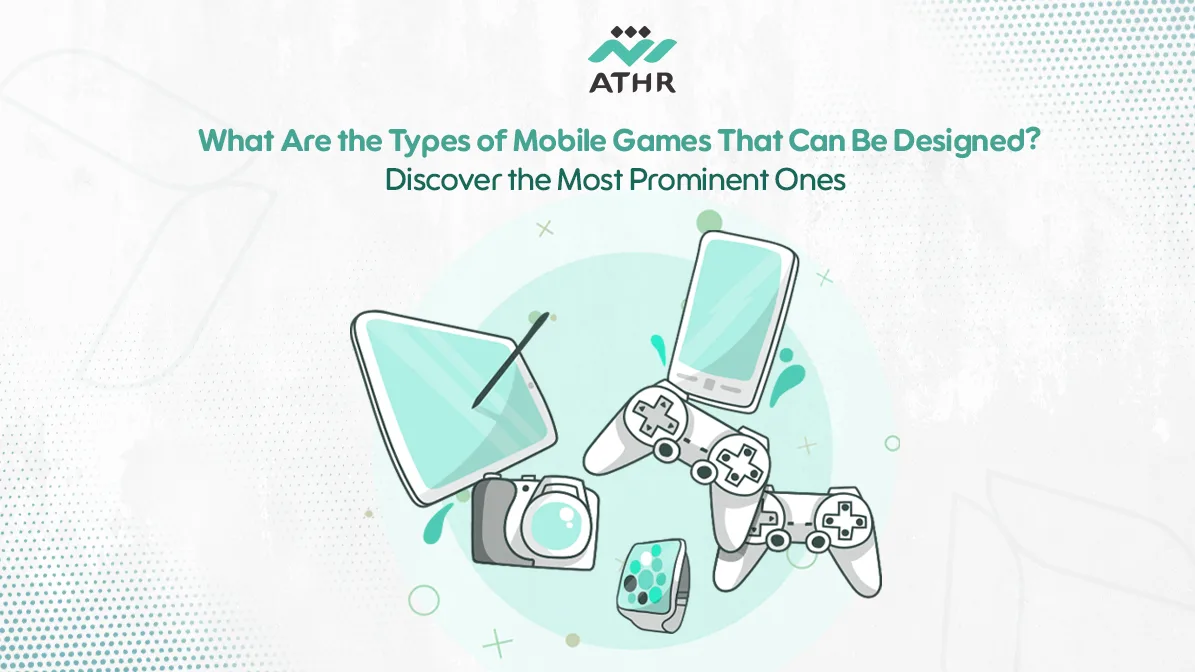
Today, the mobile gaming market is no longer limited to a single genre or a traditional idea. Instead, it is filled with diverse opportunities that range from light arcade games and adventure titles to multiplayer experiences and immersive 3D games. With the rapid evolution of mobile game design technologies, you can now bring your idea to life in a way that fits your target audience and generates real revenue. In this quick guide, we’ll walk you through the main types of mobile games and help you choose the most suitable genre for your project.
📞 Book a quick call with us and take your first step toward success.
What Are the Most Popular Types of Mobile Games That Can Be Developed?
Mobile games represent one of the fastest-growing digital markets, offering players of all ages and interests an engaging gaming experience. Here are the main types of games you can develop:
An Overview of Different Types of Mobile Games
There are many genres you can design for mobile platforms, varying in gameplay style, graphics, and interaction methods, including:
Arcade Games: Simple and fast-paced games such as Super Mario and Pac-Man, attracting users who seek short and entertaining challenges.
Adventure Games: Games that allow players to embark on exciting story-driven journeys, such as The Legend of Zelda or Pokémon, offering immersive environments and complex challenges.
Action and Combat Games: Titles like Fortnite and PUBG that deliver high-energy, thrilling gameplay experiences.
Puzzle Games: Games based on logic and problem-solving, such as Candy Crush or Sudoku.
Multiplayer Games: Interactive online experiences where players compete or collaborate with others, such as Free Fire or Clash of Clans.
Why Is Mobile Game Design Important?
Interest in smartphone games has significantly increased in recent years, making this market one of the fastest-growing sectors in the digital gaming industry. Here are some key reasons why investing in mobile game design is a great opportunity:
Massive Audience Demand: Over 3.8 billion people worldwide own smartphones, creating a huge potential user base.
Easy Accessibility: Players can easily download games directly from app stores such as Google Play and the App Store.
Social Interaction: Multiplayer features and social media integration through platforms like Facebook and Twitter enhance player engagement.
Diverse Monetization Opportunities: Mobile games offer multiple revenue streams, including in-game ads and in-app purchases (IAP).
📩 Contact us now and get a free consultation for your game project.
How to Design Mobile Adventure Games That Attract Players?
Mobile adventure games are among the most diverse and engaging genres you can develop. They require creativity in character and story design, along with high-quality visuals and an immersive experience. But what truly makes these games stand out? And how can you design an adventure game that captures players’ attention and keeps them engaged for the long run?
Key Elements of Designing Adventure Games That Capture Attention
To design a successful mobile adventure game, you need to focus on several core elements that help attract players and maintain their engagement.
Factors That Make an Adventure Game Exciting:
Compelling Storyline: The game’s narrative is the primary element that draws players in. A captivating story motivates them to explore further and stay invested in the journey.
Strong Characters: The more distinctive and expressive your characters are, the more appealing the game becomes. Developing characters that interact meaningfully with events enhances emotional connection.
High-Quality Graphics: Adventure games rely heavily on rich environments and detailed visuals. Using high-quality 3D graphics can create a truly immersive experience.
Smooth Controls: An intuitive and user-friendly control system is essential. Players prefer adventure games that are easy to navigate and don’t require a steep learning curve.
Rewards and Achievements: Implementing an in-game reward system (such as points, unlockable levels, or achievements) provides strong motivation for players to continue playing.
What Makes Mobile Adventure Games Unique?
Mobile adventure games have distinctive characteristics that set them apart from other genres. These features are what keep players coming back again and again:
Interactive Storytelling: Adventure games go beyond simply moving through levels; they include dynamic narratives that evolve based on the player’s choices.
Open Worlds: They often provide expansive environments that players can freely explore. This sense of freedom enhances immersion and discovery.
Mental Challenges: Adventure games frequently involve puzzles and complex challenges, increasing the sense of accomplishment upon completion.
Continuous Progression: As players advance, the storyline evolves, environments change, and new elements are introduced, maintaining excitement throughout the experience.
📈 Discover the key factors that drive the success and growth of electronic games.
Designing a Mobile Game from Scratch: Essential Tips and Development Stages
Designing a mobile game requires a step-by-step approach, starting from the initial idea, moving through game planning, and ending with development and testing. Have you thought about the type of game you want to create? How will you define your target audience?
How to Choose the Right Game Type for Your Audience?
When planning a mobile game design project, selecting the right genre is a fundamental step. The game type should align with your target audience’s interests. Whether they prefer strategy games that rely on planning and analysis, or fast-paced and entertaining arcade games, defining this direction accurately helps you build a strong and market-ready gaming experience.
Tips to Help You Choose the Right Genre:
Audience Analysis: Before starting development, identify your target players. Are they teenagers, children, or professional gamers?
Following Trends: Keep up with current gaming trends, such as multiplayer games or titles based on augmented reality (AR) and virtual reality (VR).
Flexibility and Variety: Choose a genre that allows easy adjustments to meet the expectations of different player segments.
Practical Experimentation: Add your creative touch by combining different elements, such as 3D features or educational components for children.
Powerful Development Tools for Simple and Efficient Mobile Game Design
Successful mobile game design depends on using the right tools to streamline development and enhance efficiency. Here are some tools that can accelerate both programming and design:
Unity Engine: One of the most popular game engines for mobile development, known for its flexibility and strong support for 3D game creation.
Unreal Engine: A powerful engine that enables developers to create visually stunning games with high-end graphics, ideal for immersive experiences.
Godot: An open-source engine offering flexible and free tools for building both 2D and 3D games, making it perfect for new developers.
Cocos2d: An efficient framework for developing 2D games using C++, delivering high performance and smooth gameplay.
💡 These tools form the foundation of successful game development, providing the ability to create powerful graphics, smart programming systems, and a smoother development process.
📲 Send us your project details now, and we’ll recommend the best game type for your target audience.
How Is Artificial Intelligence Changing the Rules of Mobile Game Design?
Artificial intelligence is no longer just a supporting tool in modern games; it has become a core element reshaping how games are designed and played. Thanks to AI, games are now more interactive and intelligent, significantly enhancing the player experience. Whether you are developing an adventure game, an action title, or even a puzzle game, AI can dramatically transform how players engage with your game.
Benefits of Using Artificial Intelligence in Mobile Game Design
AI empowers developers to improve multiple aspects of mobile games — from core design elements to how the game interacts with users in real time.
Key Benefits of Artificial Intelligence in Mobile Game Design:
Smart Personalization: AI enables games to tailor the player experience based on individual play styles. For example, it can analyze player behavior and automatically adjust difficulty levels accordingly.
Enhanced NPC Intelligence: AI improves the behavior of non-playable characters (NPCs), making them react more like real humans. This increases challenge, realism, and excitement.
Dynamic Interaction: AI enhances interaction between players and the in-game environment. Scenarios can evolve based on player actions, creating a more dynamic and immersive experience.
Real-Time Player Behavior Analysis: AI can monitor and analyze player behavior in real time, allowing developers to adjust game content or introduce new challenges based on data-driven insights.
Enhancing Player Experience Through AI in Mobile Games
Improving player experience is one of the primary goals developers aim to achieve through artificial intelligence. AI can elevate gameplay in several powerful ways:
Personalized Challenges: AI allows games to adapt to the player’s skill level. In combat or strategy games, for instance, difficulty can be dynamically adjusted based on previous performance, maintaining engagement and excitement.
Interactive Storytelling: AI enables the creation of branching narratives that evolve according to player decisions. This ensures each playthrough feels unique and immersive.
Smart Voice Interaction: AI-powered voice technologies allow players to interact with games using voice commands. The system can respond intelligently or provide customized audio feedback.
Intelligent User Interfaces: By leveraging AI, user interfaces can become more adaptive and responsive. The UI can adjust based on user preferences and context, delivering a smoother experience.
The future of gaming in Kuwait starts here… 🔗 Discover the details.
Mobile Games for Android and iOS: Is There a Difference in Game Development?
When it comes to mobile game development, developers face a major challenge in adapting games to run efficiently on both Android and iOS platforms. Although both systems provide advanced operating environments, there are fundamental differences that require customized programming approaches and interface adjustments for each platform. So, what are these differences, and how can developers handle them effectively?
💻 Development Environments:
Android relies primarily on Java and Kotlin for app and game development, while iOS uses Swift or Objective-C. These differences require developers to work with specialized development environments such as Android Studio and Xcode.
🎨 User Interface (UI):
UI design varies between Android and iOS due to their distinct design philosophies. Android allows greater flexibility in customization, whereas iOS enforces specific design guidelines to maintain a consistent user experience.
⚙️ Resource Management:
Each platform has its own system for managing memory and resources, including how animations and sound effects are handled. Games with intensive graphics and animations may require optimization adjustments to ensure smooth performance on both systems.
🛒 App Stores:
The publishing process also differs. Android games are distributed through Google Play, while iOS games must be published on the App Store. Each store has its own policies, quality requirements, and review processes.
How to Ensure Cross-Platform Compatibility for Mobile Games
Developing a game that runs smoothly on both Android and iOS is not simple. However, full compatibility and stable performance can be achieved by following solid development practices and conducting professional testing across multiple devices.
Creating a Game That Runs Seamlessly on Android and iOS
Responsive Design:
Game interfaces must be flexible enough to adapt to various screen sizes and resolutions. Using compatible design systems such as Material Design on Android and Flat Design principles on iOS helps deliver a consistent user experience.Performance Testing:
It is essential to test the game on a wide range of Android and iOS devices. Performance testing should include monitoring memory usage, level loading speed, and responsiveness of graphics and visual effects.Consistent Interactive Elements:
Ensure that interactive components such as gestures, buttons, and menus function similarly across both platforms. In addition, in-app purchases, ads, and analytics systems should be fully integrated and supported on both operating systems.
Designing mobile games has become a real opportunity for anyone with a creative idea and the ambition to turn it into a successful project. Whether your game is simple and fast-paced like an arcade title or a larger immersive 3D adventure, the key is delivering an engaging experience that keeps players coming back. With the widespread use of smartphones worldwide, now is the perfect time to launch a powerful game that achieves both reach and sustainable revenue.
If you’re ready to step into the world of game development, Athr provides the expertise and tools needed to transform your ideas into innovative, scalable mobile games. 📞 Book a quick call with the Athr team and take your first step toward success.