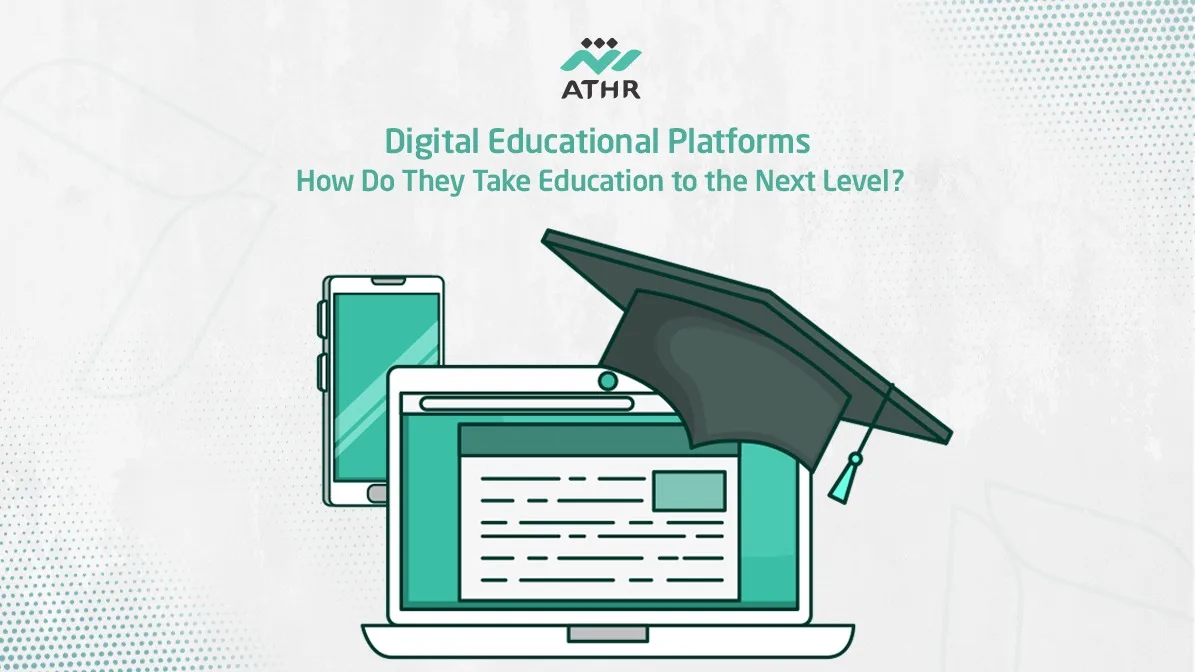
Digital Educational Platforms have become one of the most influential tools in transforming education into a more flexible and innovative model. These platforms provide students and teachers with interactive environments that allow them to access diverse educational content anytime and anywhere. With the increasing reliance on this technology, the traditional concept of education is evolving to include new methods that meet modern needs.
📲 Contact us now to discover more!
Benefits of Digital Educational Platforms in Remote Learning
Digital Educational Platforms are a driving force behind enhancing remote learning, offering innovative and integrated solutions that enable effective interaction between students and teachers outside traditional classrooms. But what are the benefits these platforms offer?
How do digital platforms facilitate access to remote education?
Through digital education, students from various geographical locations can now access educational content without the need to travel to physical classrooms. Digital educational platforms:
Impact of Digital Educational Platforms on Student Skill Development
Educational platforms help develop student skills in innovative and unconventional ways. In the past, education was limited to traditional classrooms, which offered limited learning methods. Today, digital platforms allow students to engage with creative content, contributing to the development of critical thinking and creative skills.
Positive impacts include:
- Collaborative learning: Platforms provide environments where students can collaborate on group projects, enhancing teamwork skills.
- Personalized learning: These platforms use smart algorithms to analyze student performance and offer tailored recommendations to improve skills in areas that need development.
- Interactive learning: Technologies such as augmented reality (AR) and virtual reality (VR) create immersive learning environments that help students grasp concepts better and retain information longer.
📲 Have a question? Contact us now for quick and effective answers!
How Do Digital Educational Platforms Change the Way We Learn?
Digital Educational Platforms are not just virtual environments for remote learning, but comprehensive tools that represent a paradigm shift in the way knowledge is delivered and received. By integrating modern technologies like AI, learning methods are enhanced to become more interactive and personalized. How?
Improving the Student Experience
Digital platforms offer flexible and tailored learning environments for students of all ages. Using tools like adaptive learning, which adjusts content based on the student’s needs, and virtual classrooms that allow interaction with teachers and peers.
- Interaction and personalization: Platforms offer features that personalize content based on the student’s level of understanding, allowing for greater interaction with educational materials.
- Self-paced learning: Students can manage their time and study at their own pace, allowing them to complete assignments faster and maximize the benefit from resources.
Benefits for Teachers Using Digital Educational Tools
The role of digital educational platforms is not limited to students; they also offer significant benefits to teachers. Through automated assessment tools and the ability to monitor student progress, teachers can provide more personalized and precise education.
- Analytics and Reports: Teachers can use analysis tools like Google Classroom to measure student progress and identify areas that need improvement.
- Access to Advanced Educational Resources: Digital platforms provide teachers with up-to-date training materials and innovative teaching methodologies, helping them enhance their teaching techniques.
Impact of Digital Educational Platforms on Traditional Curricula
Digital platforms provide a range of tools that are transforming the way students absorb knowledge. Instead of relying on the traditional method of education, which limits students to textbooks and classroom lessons, digital platforms create a flexible, interactive learning environment. How do these platforms achieve this transformation?
Integrating Educational Platforms into Modern Curricula
Educational platforms allow the integration of advanced teaching techniques into curricula, improving students’ ability to retain information. Through interactive tools such as educational videos, training courses, and interactive quizzes, a more diverse learning environment is created.
- Interactive Content: Students can interact with lessons directly through videos, interactive quizzes, or collaborative online projects.
- Customization: Digital platforms allow content to be customized based on students’ needs and academic levels, which enhances the learning process.
Comparison Between Traditional Education and Digital Education in Schools
Criterion | Traditional Learning | Digital Learning |
Interaction | Limited to in-class interactions. | Constant online interaction with teachers and peers. |
Access to Resources | Limited to school or library resources. | Unlimited access to additional materials online. |
Customization | Hard to tailor to individual needs. | Content is customized based on student level. |
Time Flexibility | Fixed lesson schedules. | Learning available 24/7. |
Lesson Types | Traditional lessons using lectures and tools. | Interactive lessons using videos, simulations. |
Activity Participation | Activities are confined to the classroom. | Online activities such as forums and group projects. |
✅ The digital education platforms offered by Athr provide a flexible, effective learning environment, enabling students to access diverse educational content anytime.
How Digital Educational Platforms Contribute to Reducing Education Costs?
One of the greatest benefits of digital educational platforms is their ability to significantly reduce educational costs compared to traditional education. By integrating digital tools and interactive resources, educational institutions can save on many of the costs associated with traditional classrooms.
Financial Benefits of Using Digital Educational Platforms in Schools and Universities
Educational apps allow schools and universities to provide comprehensive learning content without investing in traditional infrastructure, such as physical classrooms and expensive equipment.
Here are some key financial benefits:
🚗 Reduced Travel and Transport Costs: Students can access educational content from anywhere, reducing the need to travel to campus or schools.
📚 Lower Need for Printed Materials: Instead of printing textbooks and educational materials, they can be digitally uploaded, saving printing and distribution costs.
👨🏫 Reduced Teacher and Administrative Costs: Digital platforms offer tools to train teachers and monitor student progress, reducing the need for administrative staff.
Comparison Between Traditional Education and Digital Platforms
Comparing the costs of traditional education with digital platforms highlights the economic efficiency of digital education:
Criterion | Traditional Education | Digital Education |
Operating Costs | High (buildings, maintenance, physical equipment) | Low (scalable technology, no need for physical facilities) |
Administrative Costs | Requires many staff and facilities | Can reduce staff with automation and increased efficiency |
Tuition Costs | Includes textbooks and field activities | Materials are provided digitally, reducing costs |
Training and Development | Expensive workshops and external training | Affordable and easily accessible online training programs |
Through this comparison, we can see that digital education reduces most of the costs associated with traditional education. It also offers more flexibility in the way educational content is delivered and distributed.
Contact our team now 📩 and start enhancing your online learning experience with “Athr”.
How Do Digital Platforms Meet the Needs of Remote Education?
Digital educational platforms are the perfect solution to meet the needs of remote learning. They provide a flexible and diverse learning environment, enhancing the learning experience. These platforms enable students to access educational content anytime, anywhere, removing the traditional constraints associated with conventional education.
Advantages and Disadvantages of Remote Learning Through Digital Platforms
Digital platforms offer many advantages, but they also face challenges that may impact the effectiveness of remote education. Let’s review some of the advantages and disadvantages these platforms offer:
Advantages of Remote Learning:
- Personalized Learning: Using AI, personalized educational experiences are provided based on each student’s needs, enhancing understanding and engagement.
- Global Access: Students from all over the world can access education through digital platforms, offering equal learning opportunities.
Disadvantages of Remote Learning:
- Technical Challenges: Students or teachers may encounter technical issues such as connection problems or device malfunctions, affecting lesson flow.
- Distractions: In a remote learning environment, students may feel distracted due to the lack of direct supervision, impacting focus.
New Technologies to Improve Remote Learning Experience
As educational technology advances, the remote learning experience can be greatly enhanced. Developing modern technologies can improve interaction and encourage students to engage more effectively with study materials.
🧩 These technologies include:
- Augmented Reality (AR) and Virtual Reality (VR): These technologies can provide immersive learning experiences, such as virtual scientific experiments or tours.
- Artificial Intelligence (AI): With AI, educational platforms can predict students’ needs and guide them to relevant resources, enhancing the effectiveness of remote learning.
💡 Athr has successfully executed numerous educational projects, including innovative websites and applications that have achieved outstanding and tangible results.
Challenges Faced by Digital Educational Platforms and How to Overcome Them
Digital platforms offer immense potential to enhance the learning experience, but they face a range of challenges that can affect the effectiveness of remote education. Here are some of the main challenges and how to overcome them:
Connection and Technical Issues Faced by Students and Teachers
Connection issues are one of the biggest challenges that can affect learning via digital platforms. Students and teachers may struggle with accessing content or interacting with others due to poor internet connectivity or system failures.
📶 Weak Internet Connection: Many students, particularly in rural or less developed areas, experience weak internet connectivity, which negatively impacts their ability to participate in virtual classes.
⚠️ System Failures: Educational platforms may face technical problems such as system outages or website crashes, delaying lessons or interaction.
How to Overcome These Issues?
💻 Improve Technological Infrastructure: Educational institutions need to invest in upgrading their systems and providing reliable, high-speed internet for students.
📞 Continuous Technical Support: Offering quick and effective support for students and teachers through specialized support teams can resolve many technical issues that users may encounter.
👉Learn how to design an innovative educational platform tailored for Saudi students, with advanced digital solutions from Athr.
In conclusion, digital educational platforms represent a significant leap in enhancing remote learning, enabling students and teachers to benefit from innovative technologies that improve the quality of education and expand access. Despite challenges such as weak internet connections or system failures, continuous digital solutions provide real opportunities for improving the educational process. By investing in infrastructure and offering technical support, we can ensure a more effective and inclusive learning environment for all students.
Start improving your online learning experience with Athr’s advanced services today!